The Importance of Utility Surveys in Urban Development
In the bustling urban landscape of cities like London, the significance of precise utility surveys cannot be overstated. Utility surveys involve mapping and identifying underground services such as water, gas, and electrical lines, which is critical for any construction project. As urban areas become increasingly dense and complex, understanding the existing infrastructure is vital for developers, engineers, and architects alike. A comprehensive Utility Survey London ensures that projects are not only compliant with regulations but also structurally sound and economically viable.
Understanding Utility Survey London: What It Involves
Utility surveys in London involve the use of advanced technologies to detect and map underground utility lines. These surveys provide detailed information about the location, type, and condition of various utilities, facilitating safe and effective project planning. Typically, these surveys are conducted in accordance with the PAS128 standard, a specification for underground utility mapping that ensures all data is accurate and reliable.
Key Benefits of Utility Surveys for Construction
There are several key benefits to conducting utility surveys before commencing any construction work:
- Risk Mitigation: By identifying potential underground hazards, utility surveys help avoid costly damage to existing infrastructure.
- Regulatory Compliance: Many construction projects require utility surveys to comply with local regulations and safety standards, ensuring that all necessary precautions are taken.
- Cost Efficiency: Understanding the layout of utilities can prevent unexpected delays and expenses, allowing projects to stay within budget.
- Improved Project Planning: Detailed maps of underground utilities help in the design of new structures and can influence the construction schedule and process.
Regulatory Compliance and Safety Standards
In the UK, compliance with health and safety regulations is paramount. Utility surveys not only help in meeting these legal obligations but also enhance overall project safety. Understanding the location of potential hazards can prevent accidents and injuries on the construction site.
Modern Techniques in Utility Surveying
Introduction to Ground-Penetrating Radar Technology
Ground-penetrating radar (GPR) technology has revolutionized the way utilities are surveyed. It uses radar pulses to image the subsurface, providing a non-invasive method of detecting buried objects. This technique is particularly effective in densely built environments, where traditional surveying methods might fail to provide accurate results.
Comparing Traditional vs Modern Survey Methods
While traditional surveying methods such as site excavation or probe testing were commonplace, modern techniques like GPR offer numerous advantages:
- Accuracy: GPR provides highly accurate data regarding the depth and location of utilities, minimizing the risk of errors.
- Non-Invasive: This technology allows surveyors to map utilities without disturbing the ground, preserving existing landscaping and infrastructure.
- Efficiency: GPR surveys can be completed much faster than traditional methods, allowing for quick project turnaround.
Case Studies of Innovative Utility Surveys in London
Several recent projects in London have benefited from advanced utility surveying techniques. For example, during the redevelopment of a historic site in the heart of the city, GPR was utilized to identify and map utilities that were previously undocumented. This not only enhanced the safety of the construction activities but also facilitated a more efficient design process that preserved the site's historical integrity.
Challenges Faced in Utility Surveying in London
Urban Infrastructure Complexity and Surveying Obstacles
London's historical and complex urban landscape presents unique challenges for utility surveyors. The sheer density of underground utilities, coupled with the age of many infrastructures, makes accurate surveying a challenging task. Navigating these complexities requires a combination of advanced technology and skilled personnel.
Weather and Environmental Impacts on Surveys
Adverse weather conditions can also impact the effectiveness of utility surveys. Heavy rain, snow, and extreme temperatures can hinder equipment performance and data accuracy, necessitating careful planning and scheduling to ensure optimal conditions for survey execution.
Common Misconceptions about Utility Surveys
Many stakeholders in construction and development may underestimate the value of utility surveys. A prevalent misconception is that surveys are only necessary for large-scale projects. In reality, even minor renovations can benefit significantly from understanding the existing underground infrastructure, thus preventing costly mistakes.
Best Practices for Effective Utility Surveys
Preparing for a Utility Survey: What to Know
Preparation is key to successful utility surveying. Stakeholders should ensure that all necessary permissions are in place and that relevant plans are reviewed beforehand. This includes obtaining site access and understanding any existing documentation of utilities in the area.
Choosing the Right Surveying Company in London
Selecting a reputable surveying company is crucial. Look for firms with expertise in urban utility surveys and the latest technology. A qualified surveying team can make all the difference in the accuracy and reliability of your survey.
Essential Tools and Technologies for Accurate Results
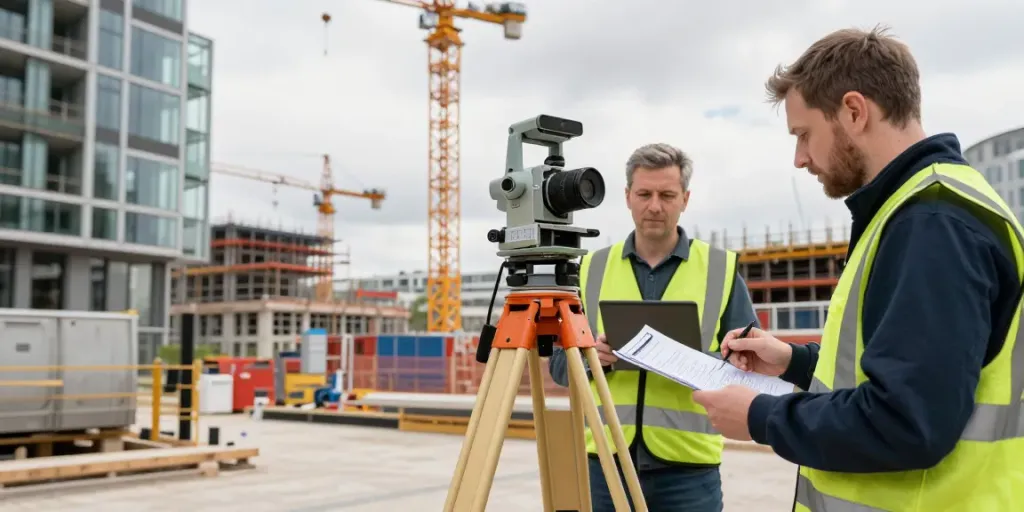
Advanced tools and technologies such as GPR, electromagnetic locators, and total stations are essential for modern utility surveys. These tools enhance data collection processes, leading to more accurate and comprehensive results.
Future Trends in Utility Surveying
Emerging Technologies and Their Impact on Surveys
As technology continues to evolve, the future of utility surveying looks promising. Innovations in AI and machine learning are beginning to influence how data is collected and analyzed, making surveys faster and more efficient.
Predicted Changes in Utility Survey Regulations by 2026
Regulatory frameworks for utility surveying are expected to become more stringent in the coming years. Emphasis will likely increase on sustainable practices and the need to protect the environment during surveying and construction processes.
How Smart City Initiatives Will Influence Utility Surveys
With London increasingly embracing smart city initiatives, the integration of sensor technology into utility surveys will become more common. These sensors can provide real-time data on utility conditions, potential leaks, and maintenance needs.
What Should You Expect from a Professional Utility Survey?
A professional utility survey should provide a comprehensive report detailing the location, type, and condition of underground utilities. This report is essential for informed decision-making in any construction or renovation project.
How Do Utility Surveys Enhance Project Success?
By identifying potential issues early on, utility surveys enhance overall project success. Stakeholders can make informed decisions regarding design alterations, which can save time and financial resources in the long run.
What Are the Costs Associated with Utility Surveys in London?
Costs can vary based on the complexity of the project and the methods employed. However, investing in a thorough utility survey can prevent far greater expenses associated with damages and delays during construction.
How Long Does a Utility Survey Generally Take?
The duration of a utility survey can vary widely depending on the site's complexity. Simple surveys may be completed in a matter of hours, while more complex projects could take days or even weeks.
What Equipment Is Used in a Utility Survey?
Common equipment used in utility surveys includes GPR units, electromagnetic locators, and GPS systems. Each tool serves a specific purpose in ensuring accurate data collection.
Why Is Utility Surveying Critical for Renovation Projects?
For renovation projects, understanding the existing utility layout is crucial. It prevents accidental disruption of services during construction and allows for better integration of new designs with existing structures.